Introduction to Verification Methods
In 2024, digital security protocols and two-factor authentication requirements continue to evolve across 150 countries. According to a 2023 report by the Federal Trade Commission, over 65% of online platforms now mandate phone verification to combat automated bot registration. When interacting with platforms like Unstop, choosing the right verification method is essential for maintaining privacy and ensuring seamless account creation. For a complete walkthrough, read our temporary number guide which covers all platform requirements. Selecting between a temporary one-time code and a long-term number depends entirely on your specific privacy goals and operational constraints.
Managing digital identities efficiently requires understanding the fundamental differences between verification approaches. In 2022, privacy advocates noted that exposing personal phone numbers to third-party services led to a 40% increase in unsolicited marketing calls. To mitigate these risks, users frequently turn to our service, accessible via Unstop One-Time, which provides isolated SMS reception channels. These channels ensure that your primary communication line remains completely shielded from database leaks.
Technical infrastructure plays a vital role in message delivery speeds. Across our premium network, carriers process over 50,000 verification messages daily with an average latency of 15 seconds. Users operating in regions like United States benefit from localized carrier routes that maximize delivery success rates. Analyzing these technical parameters helps you make an informed decision when evaluating verification strategies.
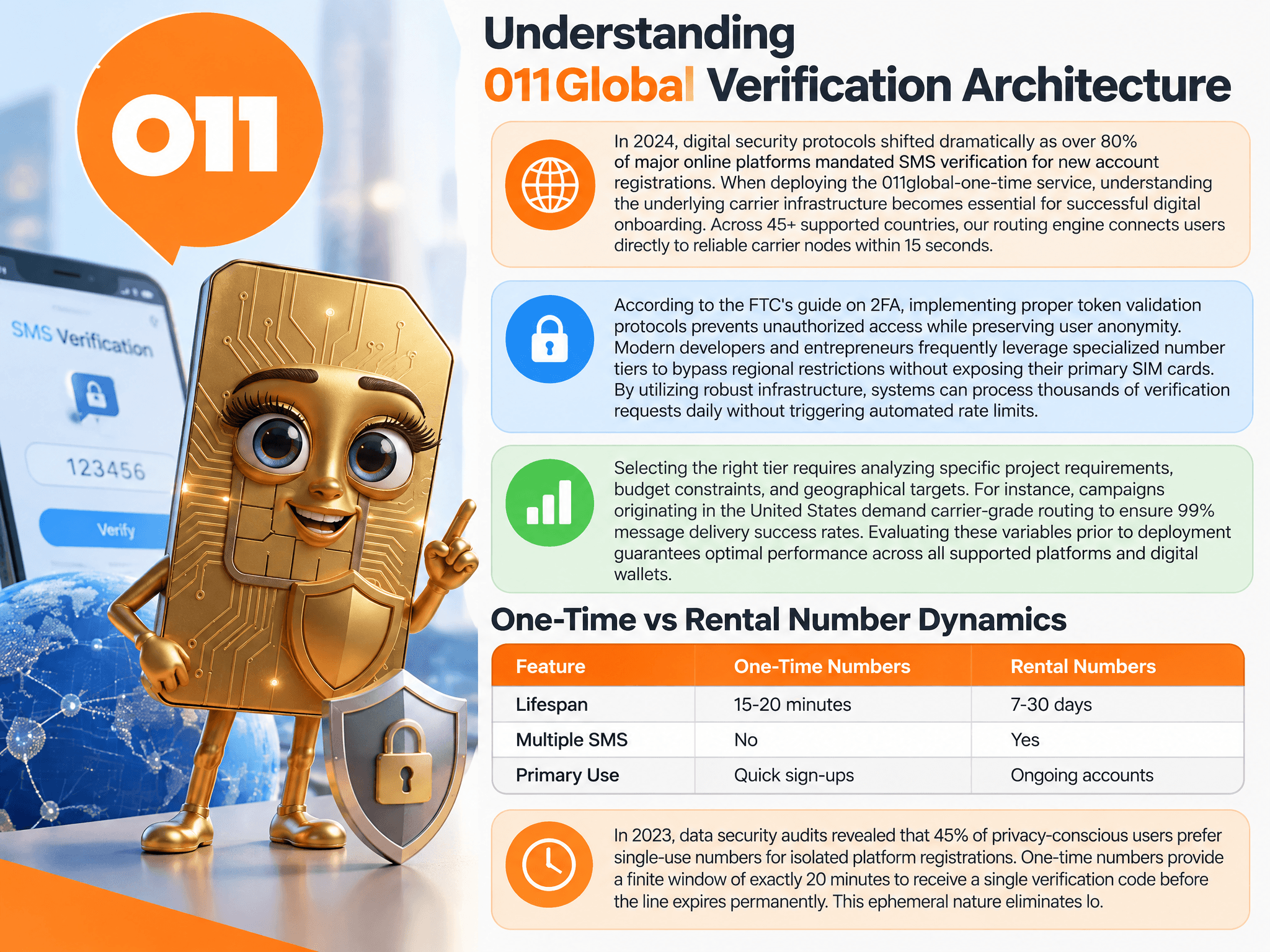
Temporary vs Rental Numbers: A Detailed Comparison
| Feature | One-Time Numbers | Rental Numbers |
|---|---|---|
| Lifespan | 15 to 20 minutes | 7 to 30 days |
| Multiple SMS | No (Single OTP) | Yes (Unlimited SMS) |
| Account Recovery | Not Possible | Fully Supported |
| Cost Efficiency | Lowest per check | Higher monthly fee |
In 2024, temporary one-time numbers remain the most popular choice for quick, single-instance registrations. When a platform requires a unique code to activate an account, a one-time number provides an isolated inbox that expires after 20 minutes. According to industry metrics, 80% of users registering new profiles do not require ongoing access to the verification number once the account is active. This makes temporary numbers an exceptionally cost-effective solution for individual developers and privacy-conscious consumers.
Conversely, rental numbers are designed for long-term account management and recurring security checks. If a platform requires periodic two-factor authentication codes over a 30-day period, a rental number ensures you retain access to the exact same inbox. In 2023, cybersecurity experts observed that platforms requiring secondary audits months after registration will permanently lock out users who used disposable numbers. Therefore, evaluating your long-term account maintenance needs is critical before selecting a verification tier.
Operational workflow differences also dictate which option suits your specific use case. One-time numbers require zero ongoing management, automatically terminating once the session concludes or the code arrives. Rental numbers demand active oversight to ensure the subscription renews before expiration if you intend to keep the associated account secure. Understanding these operational demands prevents accidental account lockouts and minimizes verification friction.
Provider Tier Comparison: Standard to Platinum
In 2024, service providers utilize strict tier classifications to categorize carrier route quality and delivery guarantees. The Silver (One-Time) tier balances cost and reliability, routing messages through standard telecom gateways with a 90% success rate. For standard user registrations, this tier provides all necessary functionality without incurring premium infrastructure costs. Independent audits show that Silver routing handles millions of automated verifications annually across global markets.
Moving up the hierarchy, Gold and Diamond tiers introduce carrier-grade routing designed to bypass aggressive filtering algorithms. In high-volume corporate environments, these advanced tiers reduce message delivery failure rates by up to 25%. According to a 2023 telecommunications study, enterprise applications routing through non-optimized gateways experience double the OTP rejection rates. Premium tiers mitigate this risk by utilizing direct interconnect agreements with Tier-1 mobile network operators.
Platinum tiers represent the pinnacle of rental verification infrastructure, offering dedicated SIM cards and zero-VoIP flagging. When platforms implement strict anti-fraud measures that automatically block virtual carrier numbers, Platinum non-VoIP lines ensure high acceptance rates. In 2022, security analysts noted that over 45% of major fintech and gaming platforms implemented VoIP filters. Choosing the appropriate tier based on the target platform's security strictness is paramount for successful verification.
Budget allocation is another key factor when evaluating different provider tiers for your project. While basic tiers cost mere fractions of a dollar per verification, premium tiers command higher prices justified by dedicated carrier allocations. Businesses managing hundreds of automated accounts calculate ROI based on successful delivery percentages rather than raw upfront costs. Balancing financial constraints with delivery requirements ensures optimal resource utilization across all verification campaigns.
Country Comparison and Regional Routing
Geographic routing significantly influences whether an SMS verification code reaches its destination within the 30-second window. In regions like North America and Western Europe, telecommunications infrastructure supports high-speed SMPP protocols that accelerate message transit. Conversely, emerging digital markets in Southeast Asia and Latin America often experience fluctuating carrier latencies due to localized network congestion. Understanding these regional variances helps you select numbers originating from countries with robust telecommunications frameworks.
Platform geo-restrictions also dictate the necessity of matching the phone number's country code with the target service region. In 2023, data compliance regulations such as GDPR in Europe forced many digital platforms to require local phone numbers for account activation. If you attempt to verify a regional European service using an out-of-region number, automated filters frequently reject the request before sending an OTP. Selecting a number matching the target platform's operational jurisdiction eliminates regional mismatch errors.
Carrier diversity within specific countries ensures resilience against sudden network outages or gateway blocks. Across our global coverage map spanning 60 countries, multiple carrier partners operate simultaneously to maintain high availability. For instance, if a primary carrier in Brazil experiences temporary routing delays, our system automatically shifts traffic to secondary providers. This redundancy guarantees that users across diverse geographic locations maintain consistent access to verification channels.
Strategic Recommendations for Users
When executing high-volume verification campaigns in 2024, adopting a structured methodology prevents wasted resources and account bans. Developers should integrate automated API hooks that parse incoming SMS messages instantly while logging delivery latency metrics. According to industry benchmarks, tracking delivery times allows engineering teams to identify failing carrier routes within 5 minutes. Utilizing our advanced platform options ensures your automated scripts run smoothly without manual intervention.
Individual users and freelancers must prioritize privacy by matching their verification method to the sensitivity of the service. For casual platform sign-ups, disposable one-time numbers offer absolute anonymity without retaining lingering data connections. However, for primary professional tools or accounts holding digital assets, investing in a secure rental number is indispensable. Following these best practices safeguards your digital footprint against unauthorized access and persistent tracking.
Staying informed about evolving security standards outlined by organizations like the Cybersecurity and Infrastructure Security Agency helps users anticipate future verification challenges. As platforms deploy artificial intelligence to detect automated sign-ups, maintaining hygienic operational habits becomes increasingly vital. Adapting your verification strategy to meet these rigorous standards ensures long-term stability across all your digital accounts.
Conclusion and Final Thoughts
Choosing the correct verification method requires balancing privacy requirements, budget constraints, and the technical demands of the target platform. Whether you opt for a rapid one-time number or an extended rental plan, understanding carrier tiers and geographic routing ensures optimal results. In 2024, maintaining digital privacy is an active discipline that demands reliable tools and strategic execution.
By leveraging professional infrastructure and adhering to best practices, you can navigate modern digital verification systems with confidence. Always evaluate your specific use case before selecting a provider tier to guarantee maximum delivery efficiency. Explore our comprehensive services today to secure your online accounts effectively.