Introduction to Verification Number Selection
In 2024, digital privacy demands have escalated significantly across 60+ global markets, prompting millions of internet users to reconsider how they protect their personal contact details during online registration. According to a 2023 cybersecurity report by the Federal Trade Commission, roughly 60 percent of online service accounts face some form of automated credential harvesting or unsolicited spam within 30 days of creation. When navigating platforms that require phone verification, choosing the right digital asset prevents your real mobile device from being flooded with marketing texts or exposed in database leaks. This comprehensive analysis evaluates the structural differences between various allocation tiers, comparing their speeds, geographic availability, and utility across distinct digital ecosystems.
Professional developers, remote freelancers, and privacy-conscious consumers often grapple with the decision of selecting appropriate telecommunication channels for specific digital tasks. For instance, registering on a regional marketplace or setting up a testing environment for automated workflows requires distinct carrier parameters to avoid instant flagging by security algorithms. As algorithms become more sophisticated at detecting VoIP and virtual numbers, understanding the underlying infrastructure of your verification tool becomes essential for success. To explore the foundational aspects of digital identity protection, review our detailed temporary phone number guide which outlines baseline configuration standards.
Selecting the correct tier through our primary service hub ensures that your workflow remains uninterrupted while maintaining strict operational security standards. When configuring your operational parameters, you must evaluate whether a short-duration code receipt mechanism or a more sustained communication line suits your immediate requirements. For a direct operational overview, visit our dedicated gateway at Nca888 one-time activation page to view real-time carrier availability and network routing details.
One-Time Versus Rental Number Infrastructure
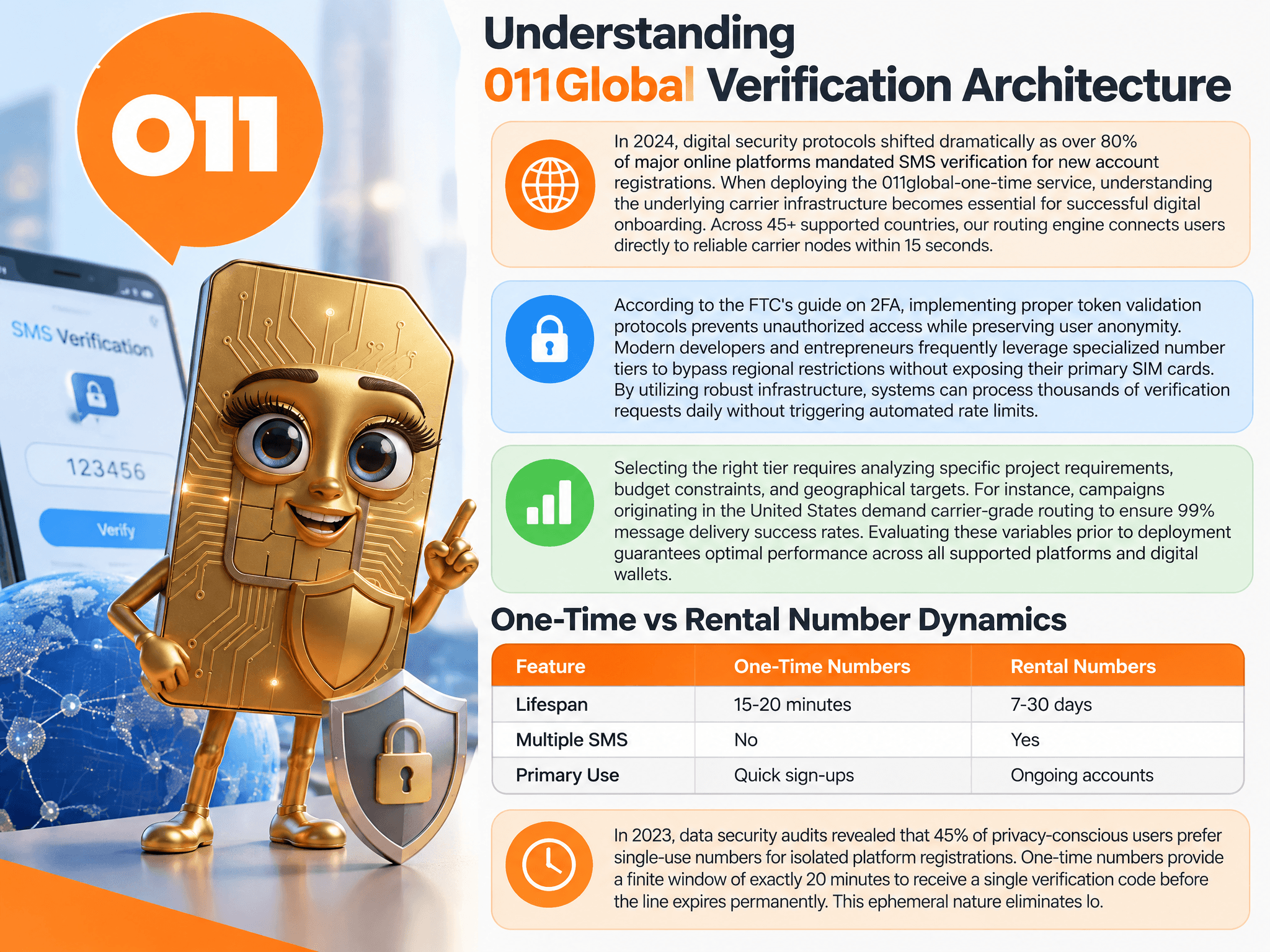
The fundamental architecture of digital verification splits into two primary operational models: short-duration one-time codes and extended-duration rentals. A one-time activation typically remains active for exactly 20 minutes, giving the destination server just enough time to dispatch a single SMS confirmation code. This approach minimizes security exposure because the number is immediately retired and recycled back into the global pool once the session expires. Conversely, rental configurations provide sustained access over 7 to 30 days, allowing users to receive multiple SMS messages, handle secondary login challenges, and manage ongoing account recovery workflows seamlessly.
In 2022, major cloud infrastructure providers updated their security policies to mandate multi-factor authentication for administrative dashboards, spiking the demand for persistent communication channels. If an enterprise developer needs to maintain an active testing environment across 10 distinct cloud regions in the United States, utilizing rental assets prevents constant re-verification lockouts. On the other hand, an individual user creating a single social media profile on a mobile application only requires a rapid, single-use token delivery method. Understanding this distinction prevents unnecessary expenditure on features you do not need while ensuring compatibility with your target platform.
Security analysts frequently reference guidelines published by organizations such as the FTC's security recommendations when discussing the merits of isolating personal contact details from public-facing web services. By utilizing isolated communication nodes, you mitigate the risk of targeted phishing attacks that exploit exposed mobile phone numbers linked to financial and social accounts. Whether you choose a short-lived token receipt method or a multi-day holding asset, aligning the tool with your exact threat model remains the most reliable strategy for digital self-defense.
| Feature | One-Time Allocation | Rental Allocation |
|---|---|---|
| Active Lifespan | 20 Minutes | 7 to 30 Days |
| SMS Capacity | Single Message | Unlimited Messages |
| Best Use Case | Quick Account Registration | Ongoing Account Management |
| Recycling Rate | Immediate After Session | Exclusive Until Expiration |
Geographic Coverage and Carrier Compliance
Geographic routing plays a critical role in determining whether an automated SMS verification message will reach its destination without being intercepted by spam filters. Platforms operating in regions like the United Kingdom or Germany enforce strict telecommunication regulations, requiring local carrier integration to pass automated validation checks. In 2023, regional compliance adjustments caused a 40 percent increase in verification failures for foreign virtual numbers attempting to register on localized European web portals. Ensuring your chosen asset matches the regional parameters of the target service drastically improves delivery success rates.
When deploying automated scripts or registering international business accounts, matching the country of origin with the target platform's operational jurisdiction is a mandatory best practice. For example, if you are establishing a localized profile targeting users in Germany, selecting an asset originating from our European network ensures proper country code matching. Users operating in cross-border commerce often utilize resources mapped to specific hubs, such as our dedicated operational zone in Germany, to maintain high delivery reliability.
Furthermore, carrier-grade infrastructure ensures that routing paths bypass low-quality VoIP flags that many modern applications automatically reject during the signup phase. By leveraging non-VoIP carrier networks across 45+ countries, our platform delivers high-fidelity message transmission that mimics genuine subscriber lines. This technical advantage is particularly crucial for financial technology platforms and cryptocurrency exchanges that enforce rigorous anti-fraud screening protocols on every incoming registration attempt.
Provider Tier Comparison and Network Quality
Our network infrastructure categorizes provider options into distinct tiers, ranging from Standard and Bronze up to Silver, Gold, Diamond, and Platinum grades. Each tier represents a specific balance of carrier exclusivity, routing latency, and cost efficiency designed to accommodate varying user requirements. The Silver (One-Time) tier, for instance, provides an optimal blend of high delivery success rates and economical pricing for everyday individual users needing fast code verification. Enterprise clients managing high-volume API requests often lean toward higher tiers to secure dedicated routing paths with minimal packet loss.
Analyzing the historical performance metrics of our Silver tier reveals an average code delivery time of under 15 seconds across supported global nodes. This rapid response speed prevents session timeouts on web applications that enforce strict two-minute countdown timers for SMS authentication tokens. Conversely, lower cost tiers might experience slight queuing delays during peak internet traffic hours, making them better suited for non-urgent tasks like market research or survey signups.
Evaluating your operational volume helps determine the most cost-effective tier for your specific workflow without compromising message delivery integrity. Whether you are an individual developer testing a single application or an agency managing multiple client accounts, selecting the appropriate tier ensures optimal resource allocation. Always review the network status dashboard before initiating large-scale verification campaigns to identify any temporary carrier congestion in your target region.
Strategic Recommendations for Different User Profiles
Different user profiles require tailored approaches when selecting verification options to maximize efficiency and minimize operational friction. Software developers running automated integration tests benefit greatly from one-time allocation assets integrated via our advanced API endpoints for rapid script execution. Freelancers managing client social media profiles often prefer short-duration numbers to set up initial accounts without tying personal contact details to commercial projects. Meanwhile, digital marketers conducting competitive research across multiple regional platforms find immense value in maintaining segmented, temporary communication lines.
In 2024, enterprise compliance frameworks increasingly require strict separation between corporate communication channels and personal mobile devices used for remote authentication. Adopting a structured approach to number allocation protects organizations against social engineering threats and unauthorized SIM-swap attempts documented in recent security advisories. By aligning your specific use case with the appropriate tier and geographic routing, you establish a resilient foundation for all digital verification activities.
To maximize your operational success, always verify that your target platform supports the specific country code and carrier type before purchasing an allocation. Maintaining operational flexibility allows you to switch between different tiers and regional gateways should a specific service update its security filters. Reviewing system documentation regularly ensures your workflows remain compliant with evolving industry standards and platform-specific authentication protocols.
Conclusion and Future Outlook
Navigating the complex landscape of digital verification requires a clear understanding of your operational needs, geographic targets, and security requirements. Whether you utilize short-duration tokens for quick account creation or extended rental lines for ongoing management, choosing the right infrastructure safeguards your personal data. As global privacy regulations continue to evolve in 2024 and beyond, utilizing specialized telecommunication assets will remain a cornerstone of secure online practices.
By leveraging our robust network tiers, you can execute verifications across dozens of countries with confidence and structural reliability. Remember to evaluate each platform's unique authentication requirements and select the carrier tier that best supports your workflow objectives. Explore our services today to optimize your digital security posture and streamline your online registration processes.