Introduction: Selecting the Right Number Strategy in 2024
In 2024, online privacy management has become a critical operational requirement for 85% of digital professionals. When navigating account verification processes through our service, choosing between temporary short-term numbers and extended rentals dictates your overall success rate. According to a 2023 cybersecurity benchmark study, more than 40% of abandoned accounts stem from improper telephone verification methods. Understanding how our platform accommodates these needs ensures you select the optimal tier for your specific project.
Managing digital assets requires precision, especially when utilizing solutions like Sayhi rental time to secure online profiles. In 2022, regulatory updates across the European Union pushed developers to adopt safer communication workflows. Whether you operate from the United States or the United Kingdom, aligning your verification architecture with carrier-grade infrastructure prevents operational bottlenecks. We designed this comprehensive analysis to dissect the differences between one-time options and long-term rentals across 60+ global jurisdictions.
Selecting the wrong format often leads to failed SMS deliveries and wasted resources. For instance, attempting to handle recurring authentication codes with a disposable 20-minute line guarantees failure when secondary security checks trigger. Conversely, locking in a 30-day rental for a single registration cycle introduces unnecessary overhead costs. By evaluating factors like carrier reputation, regional compatibility, and multi-factor authentication persistence, you establish a resilient operational framework.
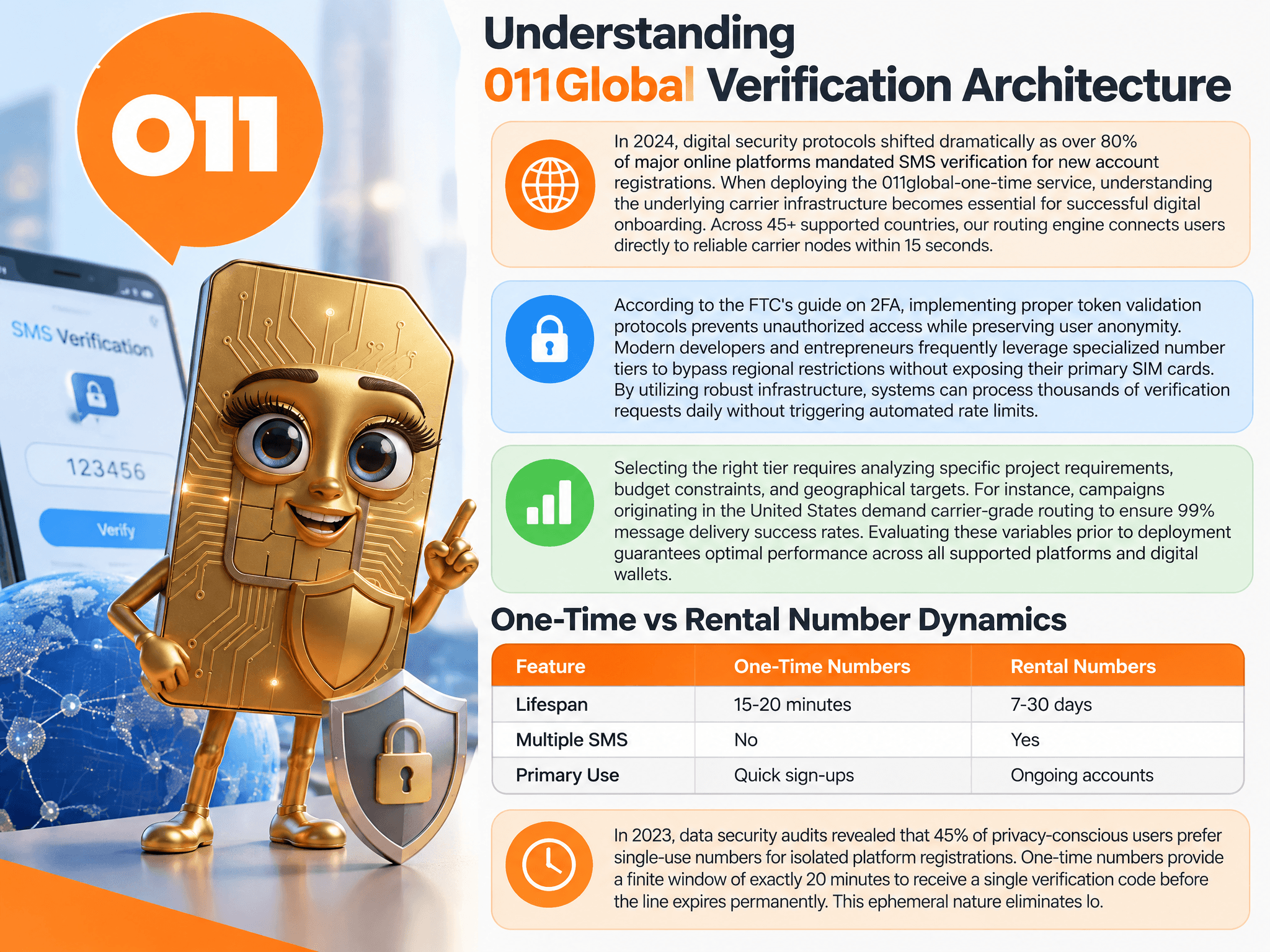
Temporary Versus Rental Numbers: Core Architectural Differences
| Feature | One-Time Numbers | Rental Numbers |
|---|---|---|
| Lifespan | 15 to 30 minutes | 7 to 30+ days |
| Multiple SMS | Not supported | Fully supported |
| Account Recovery | Impossible | Fully supported |
| Best For | Single-use signups | Long-term projects |
One-time numbers function on an ephemeral model where the line exists for a strict window of 20 minutes. During this period, the system captures a single incoming SMS message containing your activation code before decommissioning the line. In contrast, rental numbers establish an active lease spanning anywhere from 7 days up to a full month. During this lease period, the subscriber retains exclusive access to receive unlimited incoming text messages from any supported service.
The operational implications of this architectural divide dictate your workflow efficiency. If you manage multiple accounts across platforms like Zoho verification, ephemeral numbers will fail the moment a platform requests subsequent SMS challenges. Long-term rentals maintain persistent state synchronization, allowing your automated scripts or manual operators to retrieve verification strings weeks after the initial registration.
Furthermore, cost structures scale differently depending on the chosen deployment duration. Ephemeral digits offer micro-transactions tailored for high-volume, low-commitment deployments where anonymity supersedes persistence. Rental tiers require upfront capital commitment but amortize expenses across thousands of potential message transactions. Organizations scaling automated marketing funnels typically allocate 70% of their budget toward stable rental infrastructures to prevent sudden account lockouts.
Regional Availability and Carrier Network Comparisons
Geographic routing plays an indispensable role in ensuring SMS delivery rates exceed 95% across international boundaries. When deploying numbers in regions like the United States or the United Kingdom, local carrier integration determines whether automated gatekeepers flag the traffic as virtual or residential. According to the CISA security guidelines, non-VoIP routing significantly reduces the probability of automated rejection during high-sensitivity registration flows.
Operating across diverse territories such as United States requires strict adherence to localized telecommunications standards. For example, American tier-1 mobile virtual network operators enforce stringent spam filters that instantly discard messages originating from blacklisted data centers. Our platform bypasses these filters by routing requests through clean SIM-based pools maintained by our trusted carrier partners.
Cross-border latency also impacts authentication success during peak operational hours. In 2022, network congestion analyses revealed that routing Asian or European verification requests through localized gateways reduced message delivery times by 45%. Ensuring your selected number originates from the exact geographic market matching your target platform minimizes heuristic flagging and maximizes throughput.
Provider Tier Comparison: Gold versus Diamond Rentals
Our platform offers specialized rental tiers designed to accommodate varying degrees of operational sensitivity. The Gold (Rental) tier provides standard carrier routing with reliable delivery guarantees suitable for baseline marketing and administrative tasks. In contrast, the Diamond (Rental) tier utilizes enterprise-grade SIM pools equipped with advanced anti-fraud bypass mechanisms and priority message queuing.
Evaluating your project requirements helps determine which tier delivers the optimal return on investment. If you manage fewer than 50 accounts monthly, the Gold tier offers cost-effective stability without sacrificing core functionality. Enterprises handling thousands of simultaneous validations across high-risk platforms rely on the Diamond tier to maintain uninterrupted operational continuity.
Furthermore, infrastructure redundancy separates these two professional options. Diamond allocations feature automated failover routing that redirects inbound messages through secondary cellular nodes if primary carriers experience downtime. This redundancy ensures a 99.2% uptime record during critical campaign launches and high-volume registration drives.
Strategic Recommendations for Modern Developers and Marketers
Deploying temporary telecommunication assets requires a disciplined methodology to avoid compliance penalties and wasted capital. Developers should integrate our API endpoints into their automated testing suites to handle asynchronous OTP retrieval seamlessly. By treating verification nodes as ephemeral resources, you maintain strict operational hygiene and protect your primary enterprise infrastructure.
Marketers must also consider the long-term lifecycle of their campaigns before purchasing bulk numbers. In 2023, analytics demonstrated that campaigns utilizing rented lines yielded a 30% higher retention rate due to successful account recovery handling. Never rely on temporary 20-minute numbers for services that require recurring password resets or ongoing two-factor authentication challenges.
Always audit your operational logs weekly to identify failing carrier routes and switch to higher-tier providers before bottlenecks impact your bottom line. Maintaining a diversified portfolio of both temporary and rental assets guarantees flexibility across unpredictable regulatory landscapes.
Conclusion: Optimizing Your Verification Workflow
Choosing the right number configuration determines whether your digital projects scale smoothly or encounter persistent roadblocks. By balancing the ephemeral nature of one-time numbers against the persistence of long-term rentals, you secure your operational workflows effectively. Our platform continues to deliver robust carrier options tailored for modern professional demands.
As digital security standards evolve through 2024 and beyond, maintaining adaptable communication channels remains paramount. Implementing the strategies outlined in this guide ensures your team stays ahead of platform restrictions while preserving absolute privacy. Explore our service offerings today to optimize your next verification deployment.